Postnatural environments are settings where the line between human-made environments and natural environments have become blurred or erased due to extensive human impact, but which however, retain qualities of being more-than-human and more-than-culture.
Postnature or postnatural environments are multi-species dynamic living systems with planetary rhythms and forces. They include other life forms: Inhabitant fellow beings in post-natural environments are the non-human animals, plants, and organisms that coexist with humans in impure nature-culture environments.
The notion reflects awareness of the Anthropocene era and its impact on ecosystems, landscapes, and the coexistence of humans and non-human entities, while still maintaining the term ‘nature’ to invoke and refer to ‘more-than human’ matter.
Examples of postnatural environments, which exhibit effects of human activity, are urbanized coastlines, industrialised forests, agricultural landscapes, overfished oceans and other landscapes significantly shaped by human interventions. In these spaces, traditional notions of pristine nature are challenged, as the distinction between natural and artificial is no longer clear-cut.
Postnatural environments also encompass backyards, front lawns, parks and gardens.
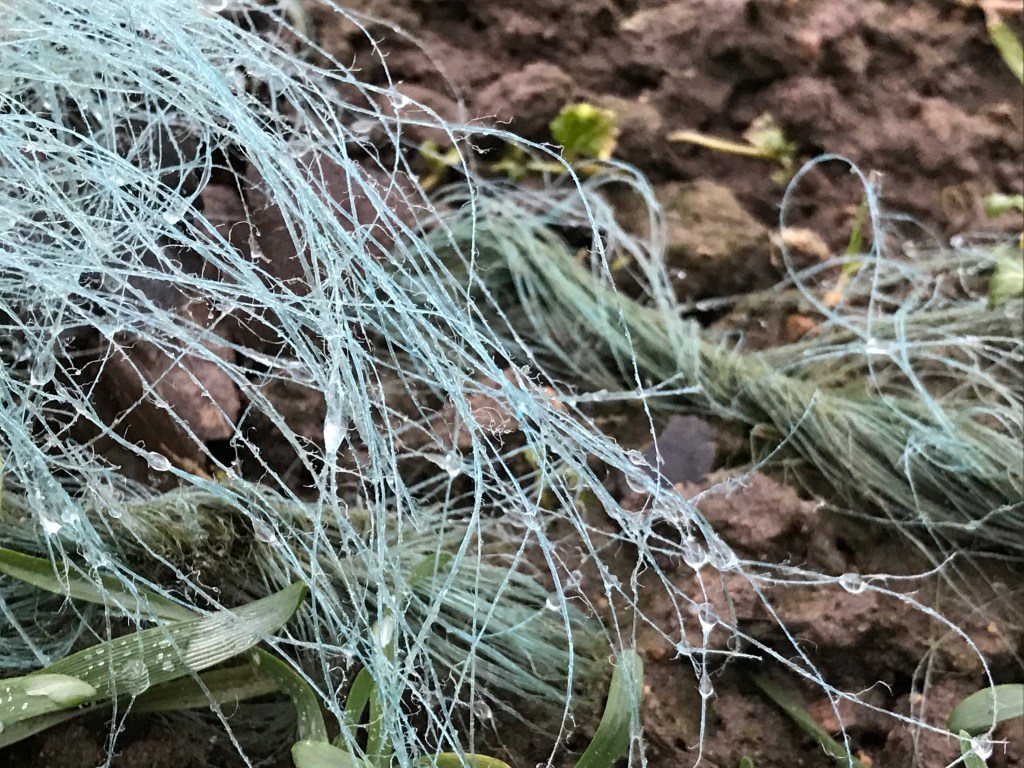
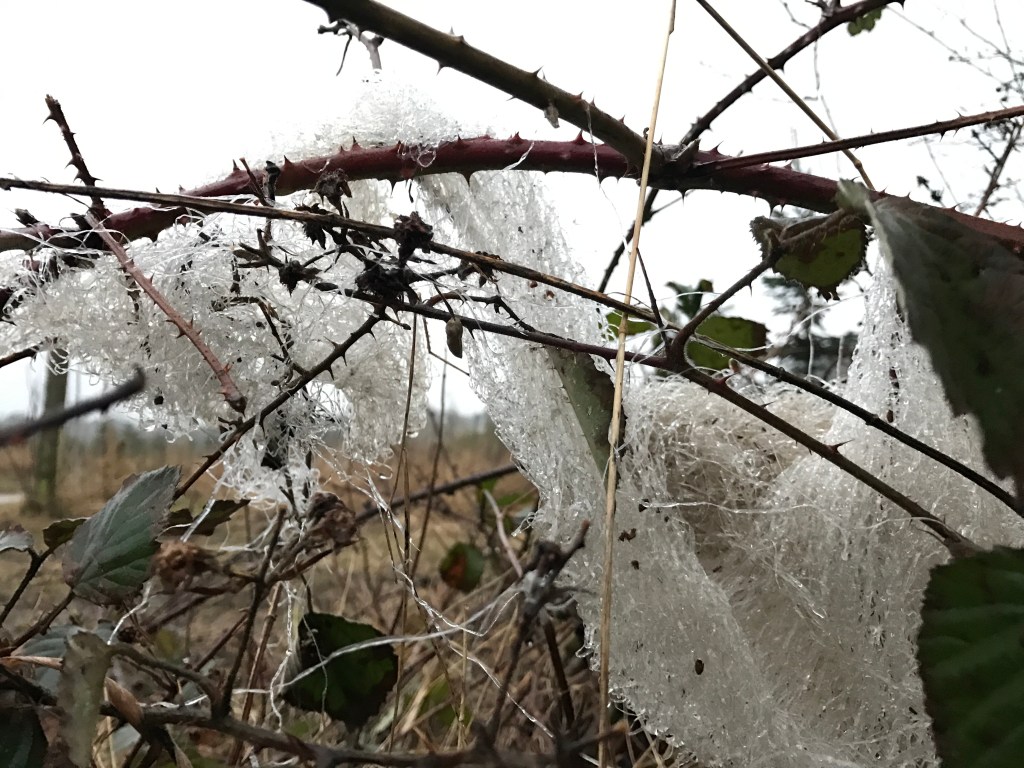
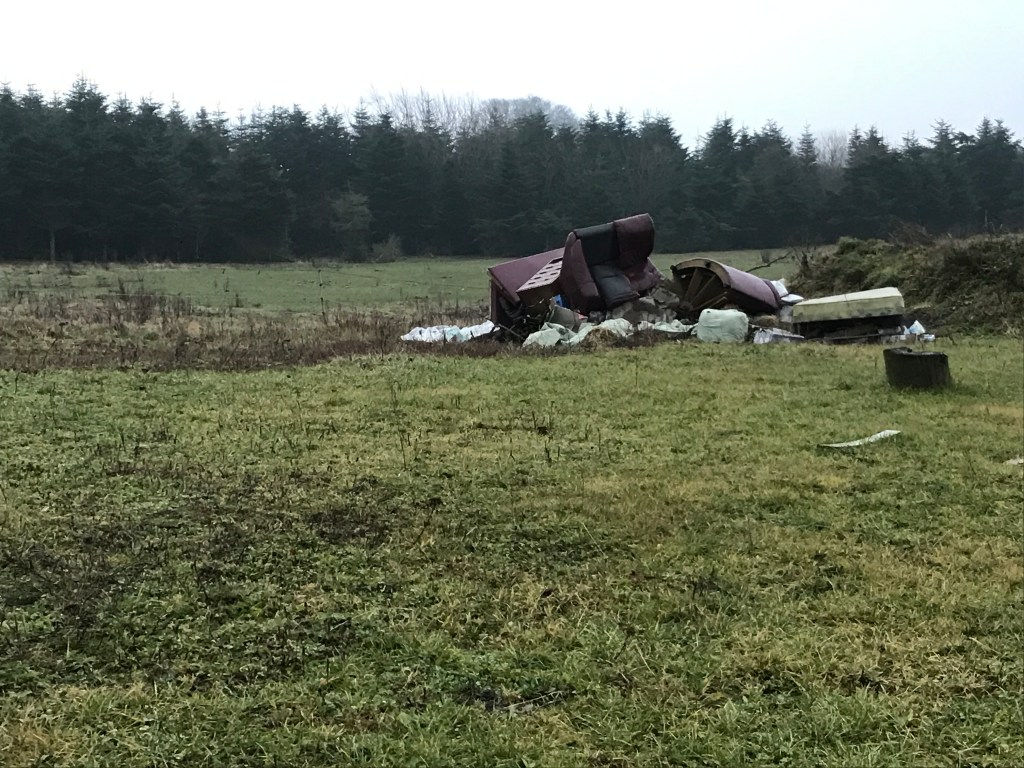
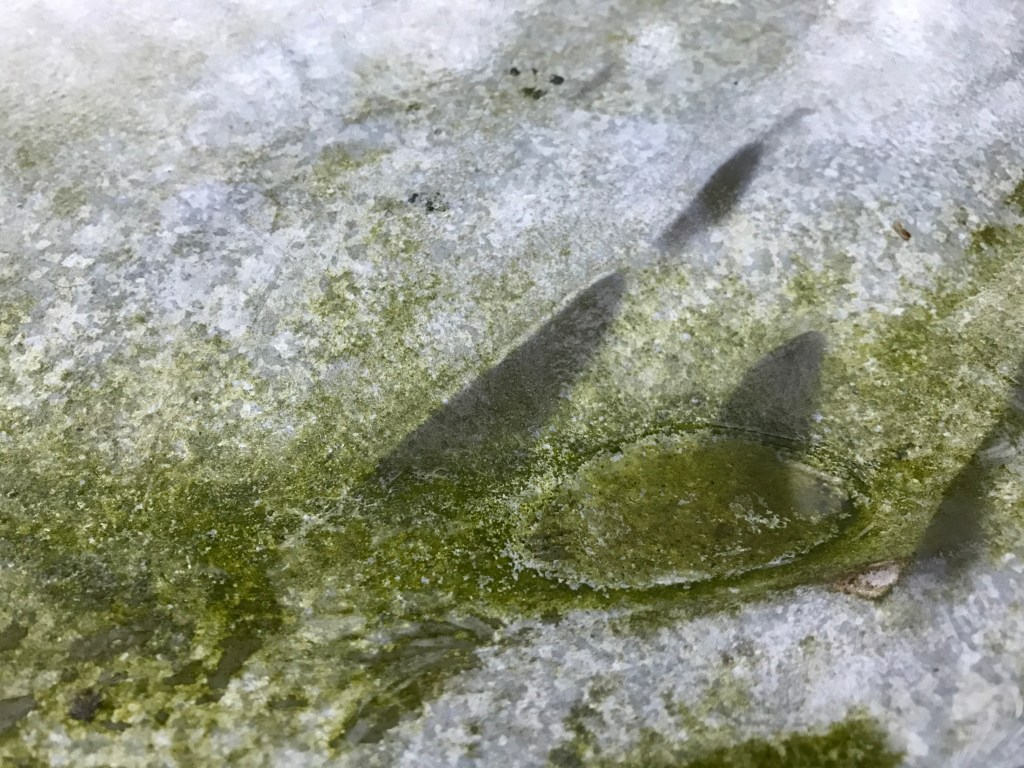
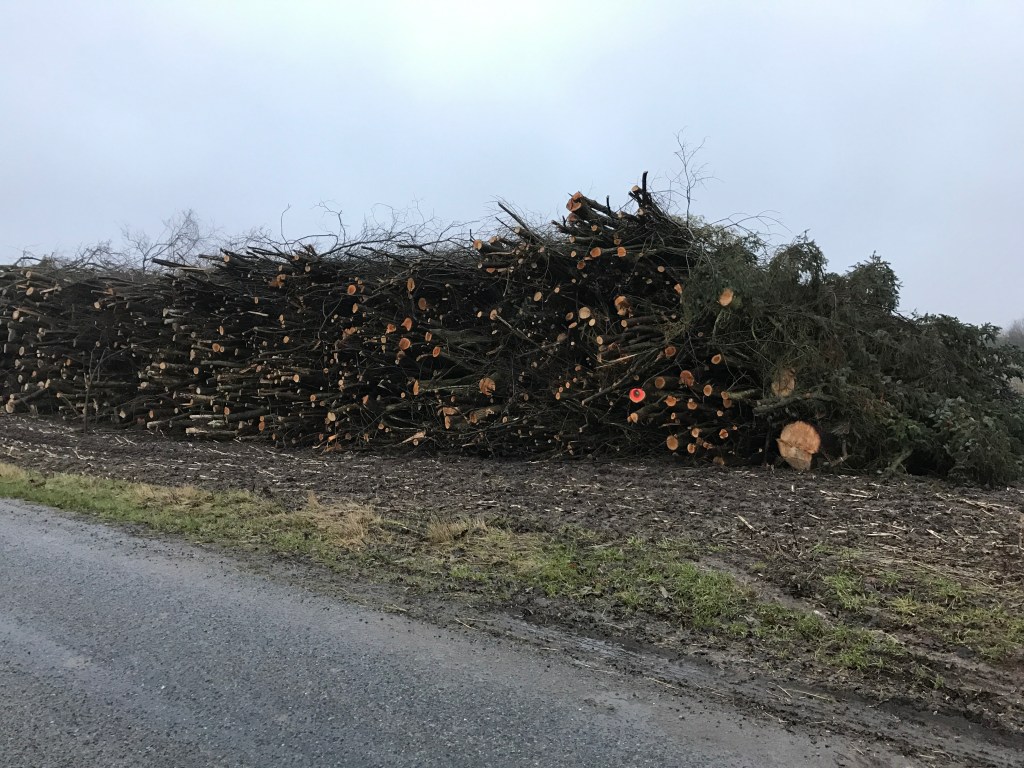
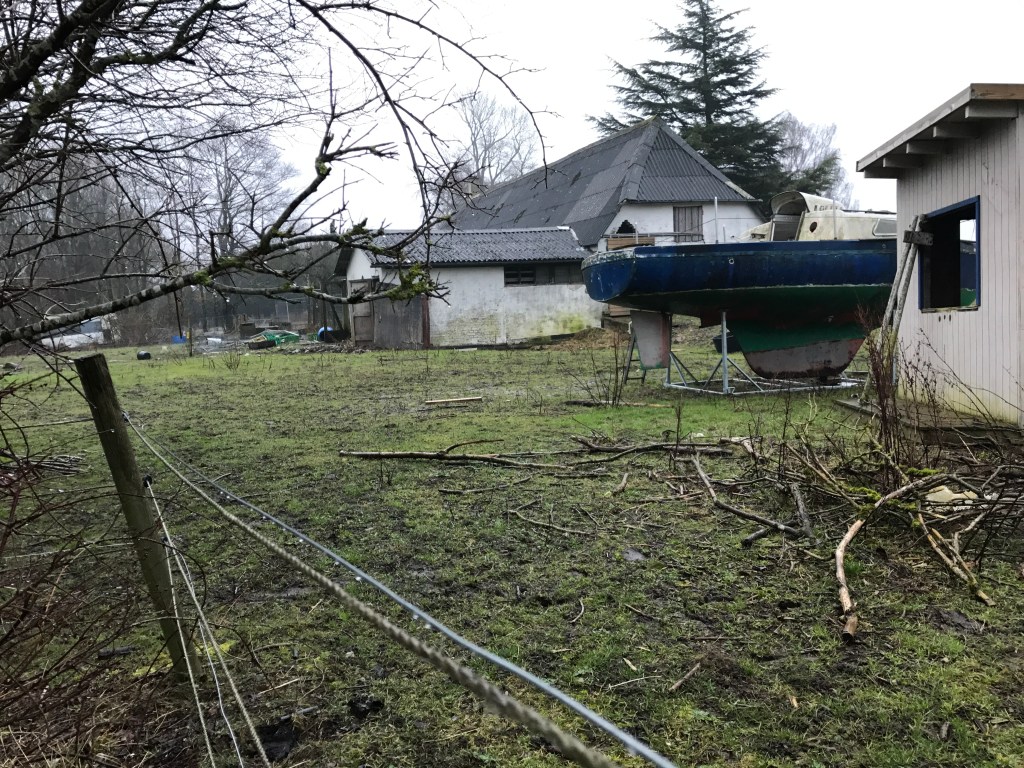
I use the terms ‘postnatural environment’ to talk about settings where the line between human-made and what was once considered ‘natural’ has become blurred or erased due to extensive human impact.
 connie svabo
Pingback: Exploring Post Nature’s Performance: ‘Environmental Performance II’ on the Big Screen | connie svabo·