1.Title: Science Lunch
2.Overview: ”Science Lunch” is an event designed to explore how everyday objects can serve as media to enhance perception and communication in scientific settings.
3.Design Goals:
To demonstrate how mundane artifacts, like plates and utensils, can intensify perceptual awareness and communication.
To create an extraordinary experience that sharpens perception and stimulates dialogue among scientists, scholars, and professionals.
To foster new institutional relationships and networking opportunities through a shared, memorable experience.
4. Design Process:
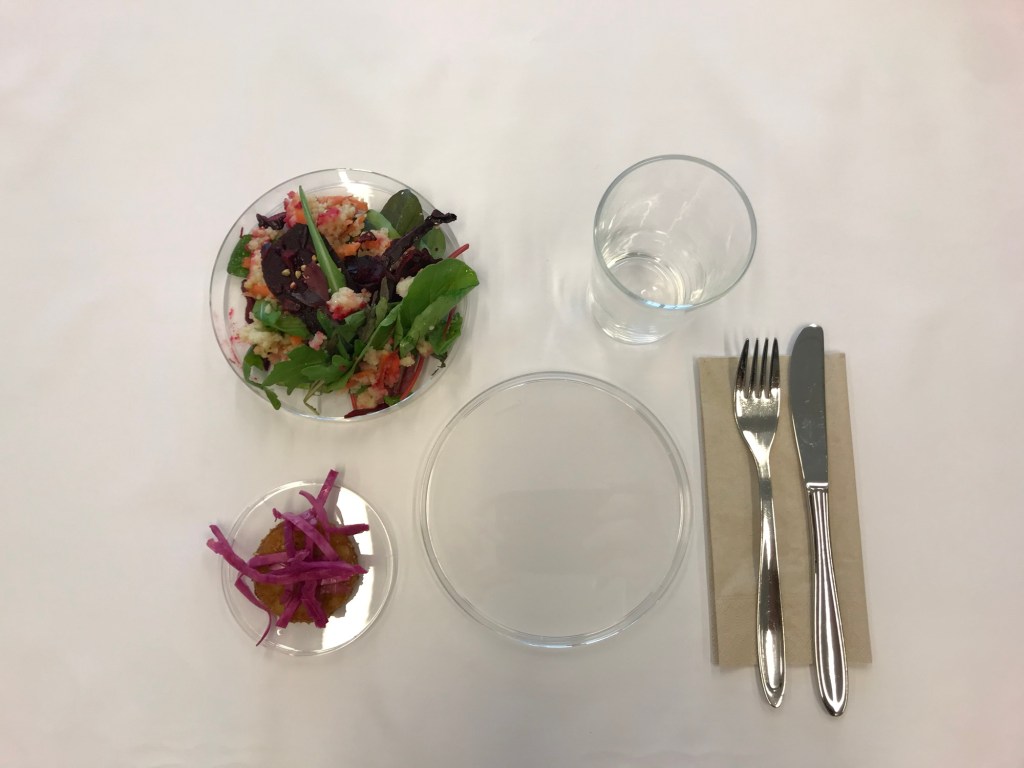
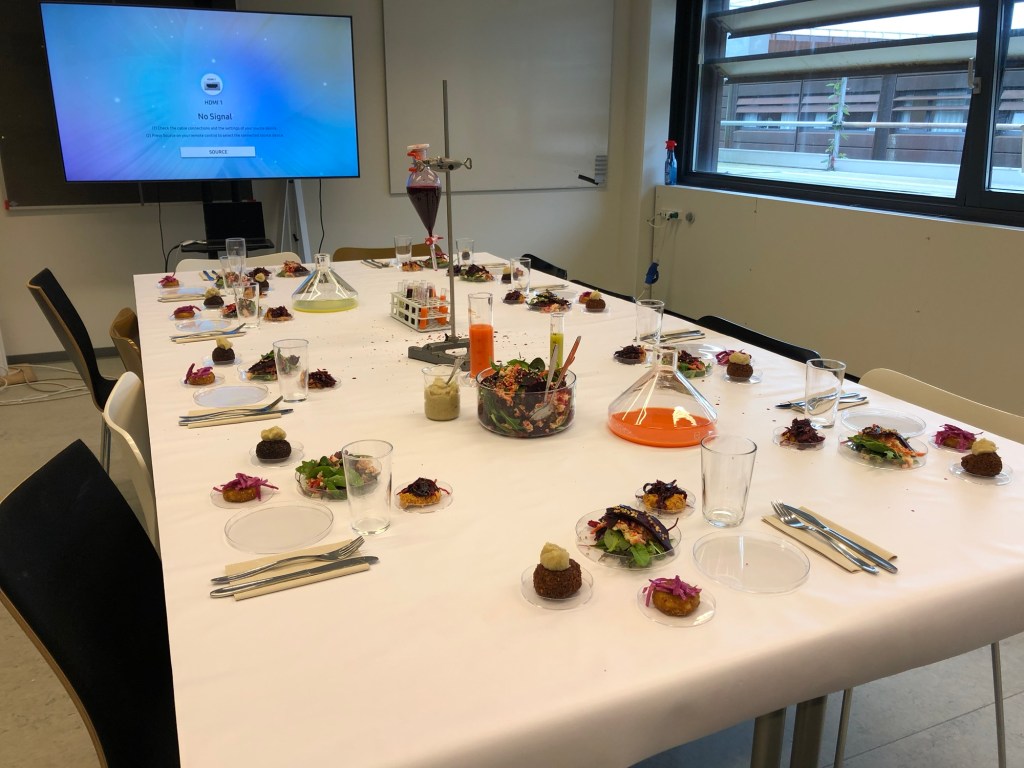
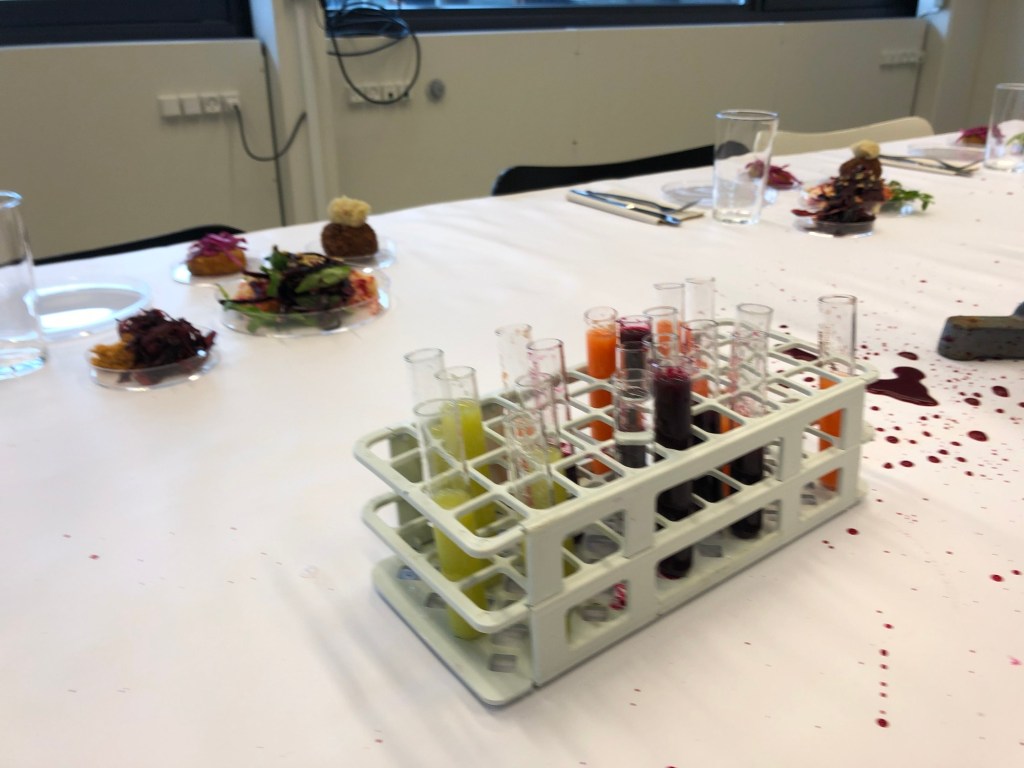
The event was meticulously planned to transform ordinary canteen food into an out of the ordinary aesthetic experience by serving it on Petri dishes and in test tubes. The process involved selecting appropriate laboratory equipment that could safely and effectively serve as dining utensils. Collaborating with a communication and food professional, the event setup included arranging tables and food presentation to maximize aesthetic impact and stimulate conversation.
5. Materials and Tools:
Ordinary canteen food
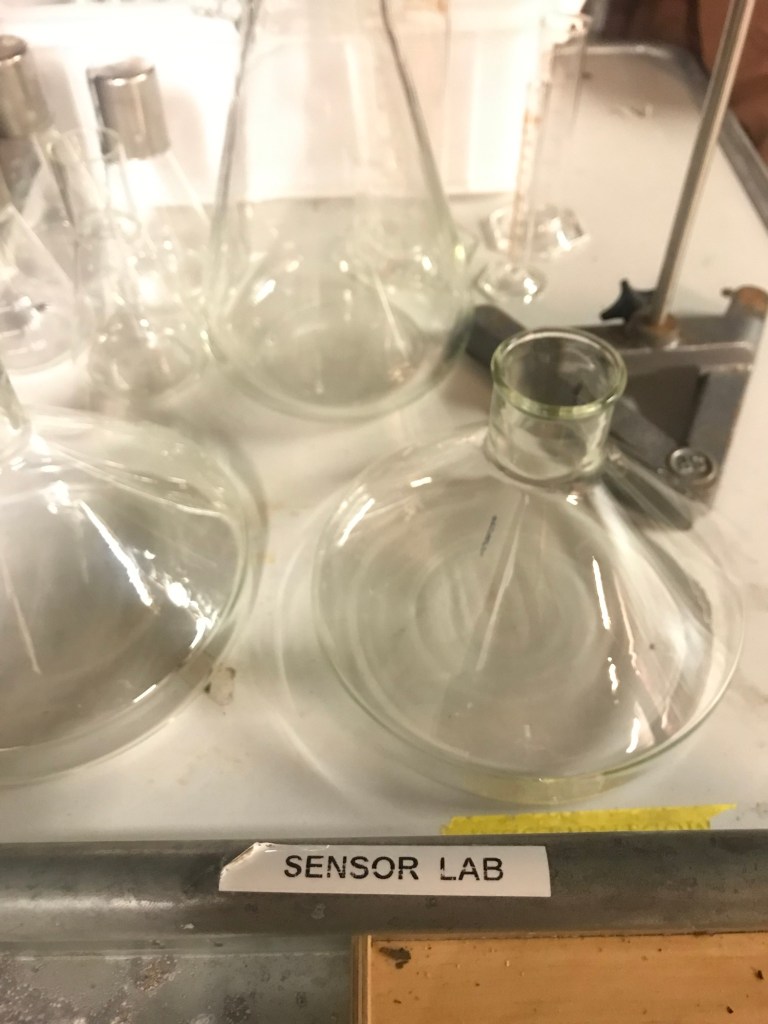
Laboratory equipment: Petri dishes, test tubes, and other lab apparatus
Dining setup: tables, chairs, and decorative elements to enhance the ambiance
6. User Experience: Participants experienced a disruption of the typical lunch setting, with familiar foods presented in an unexpected way. This design choice prompted conversations about science cultures and the role of aesthetics in perception. The presentation also served as an icebreaker, facilitating networking and relationship-building.
7. Challenges and Solutions:
One challenge was ensuring that the laboratory equipment used was both safe and suitable for serving food. This required completely new equipment and careful selection of materials, helped by a colleague’s network. Additionally, balancing the aesthetic presentation with practical dining needs required practical and creative problem-solving.
8. Impact and Reflection:
Participants expressed surprise and appreciation for the setup. The event successfully made use of design and aesthetics to enhance perception and communication. The table was a good ice breaker, bridging new relations and conversations. Participants engaged in meaningful dialogues about science and laboratory cultures, and the unconventional setup prompted social media sharing, further extending the event’s reach. This approach demonstrated how altering the medium can transform experiences and foster new connections.
 connie svabo