Title: Portable Objects at the Museum.
- Location: Naturama, Svendborg, Denmark
- Date: 2006 – 2010
- Role: Ph.D. Researcher
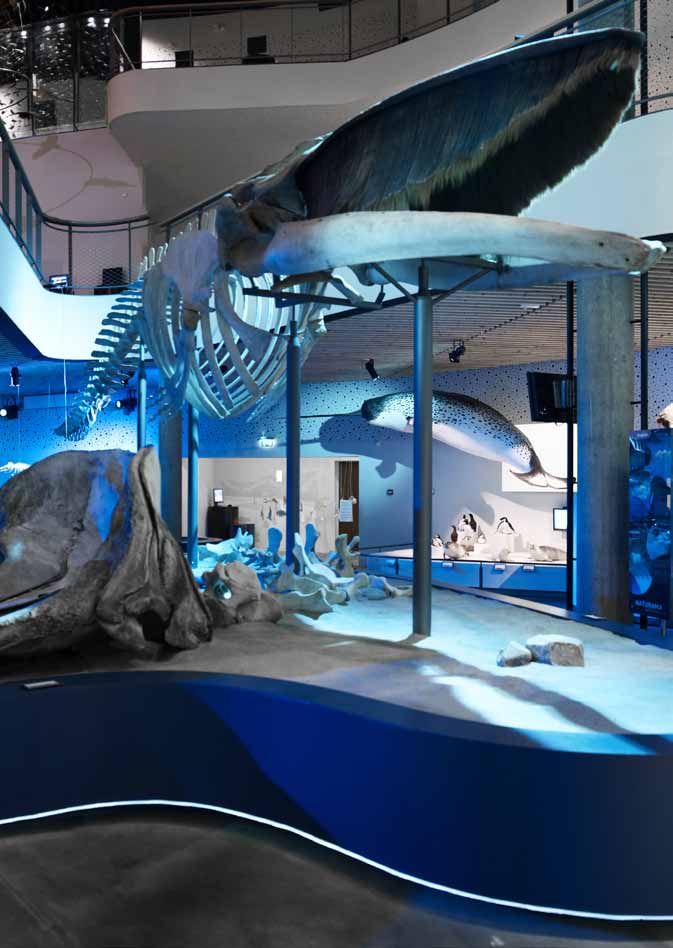
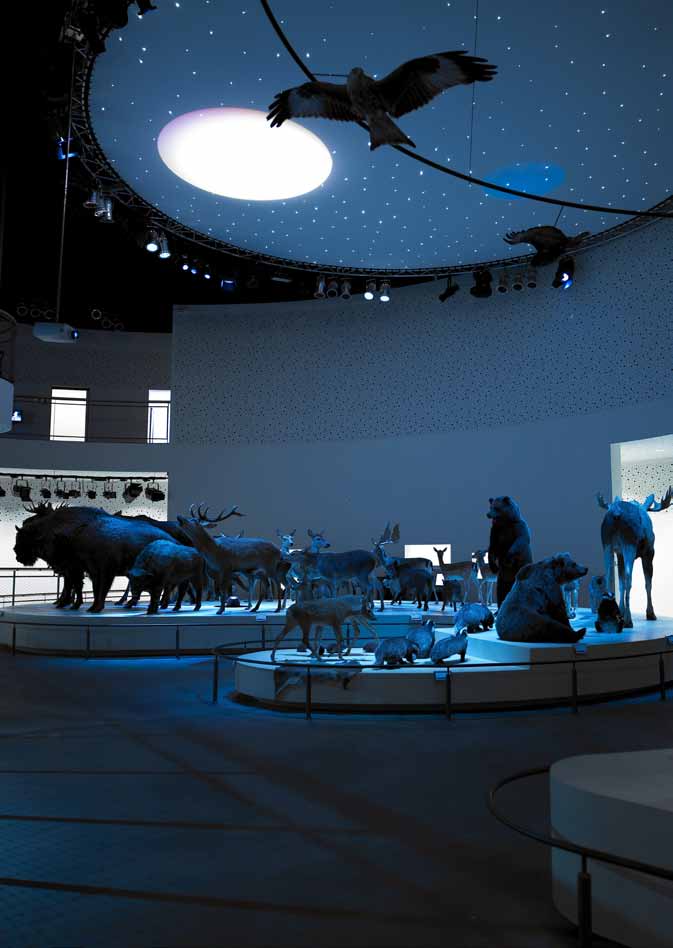
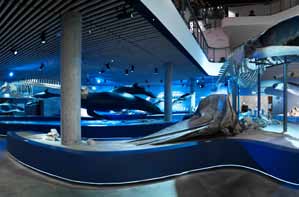
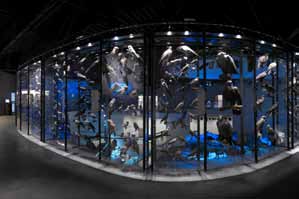
- Concept: This Ph.D. research examined the role of mediating technologies (digital and non digital) in enhancing visitor engagement within museum spaces. The project delved into how visitors interact with various media—such as exercise pamphlets, mobile phones, and animal costumes—alongside traditional exhibits in a Natural History setting. The study explored how these mediated forms of interaction overlap, support, or interfere with one another. Through the use of video glasses, visitor interactions were recorded, offering an in-depth look at the multiple mediation processes at play within the museum environment.
- Methodology: The research employed ethnographic methods combined with experimental media tools, including video glasses, to observe and analyze how visitors engage with exhibits over an extensive 14-month fieldwork period. The methodology centered on a qualitative approach, featuring consent-based shadowing of visitors, interviews, and direct observations to document their experiences in real-time.
- Key Elements: The study revealed how visitors navigate between mobile ‘mediators’ and stationary media, such as information kiosks, signage, and displayed artifacts – as well as fellow visitors. The integration of various media forms provided insights into how flexible layers of mediation can enhance or disrupt the visitor experience, illustrating the complex, multimodal interactions within the museum space.
- Collaborators: Supervision was provided by faculty at Roskilde University, in collaboration with Naturama’s curatorial and educational teams.
- Audience or Impact: The findings continue to inform my work on designing multiscale learning environments that act as mediators of knowledge and perception.
Museum learning environments can serve as dynamic sites of mediation, influencing how people perceive and engage with knowledge. My current research expands on concepts developed in my doctoral work by exploring how environments—whether natural, built, or augmented—can act as multiscale mediators that support diverse forms of learning and understanding.
 connie svabo